A Garden of Hope
Jul. 22, 2025 | Community Features
Jul. 22, 2025 | Community Features
Crossing the Delaware Bay from New Jersey to the first state is generally not considered an epic journey. The 17-mile trip aboard the Cape May-Lewes Ferry provides passengers with comfortable seating, panoramic views of the bay and takes roughly 85 minutes. For monarch butterflies, however, the trip is arduous — after all, they can’t just catch a ride on the ferry.
Each September, hundreds of thousands of majestic coastal monarchs from New England and Canada may cross the bay as part of their 3,000-mile journey to overwinter in the mountains of south-central Mexico. For the monarchs, the trip across the Bay is the equivalent of traveling an astonishing 500 miles — and there is no break for food or rest. But this September, butterflies with the strength to make the crossing will be greeted by a new monarch mecca, thanks to Co-op member Gary Liska and a team of volunteers.
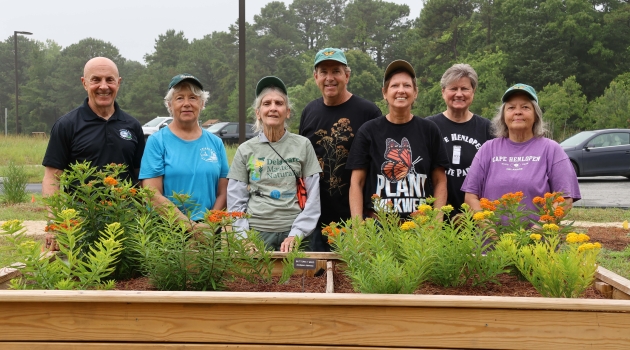
Installed at Cape Henlopen State Park in September 2024, the butterfly refueling station features a buffet of the monarchs’ favorite snacks and plenty of water. Plants like black-eyed Susan, goldenrod and aster will provide the nectar monarchs need to continue their journey to warmer destinations. The garden also features an abundance of native milkweed — the only plant where female monarchs will lay their eggs. Affectionately nicknamed the “monarch master” by his friends, Liska has been fascinated by the bright orange butterflies since childhood. Despite the butterfly’s beauty and popularity, monarchs are in trouble.
“Since 1995, the monarch population has fallen by 80%. Climate change, herbicides and a loss of habitat have taken a toll,” Liska says. “The Delaware Bay represents one of the largest natural barriers in the U.S. for migrating monarchs, and we’re trying to make the trip easier for them.”
Liska teamed up with Delaware Master Naturalist Julie Callahan and the Friends of Cape Henlopen State Park to bring the refueling station to life. Callahan has vivid memories of what sparked her passion for monarchs.
“We lived on a farm in upstate New York, and my dad left one of the fields unplowed, which allowed goldenrod to grow and bloom,” she says. “The field was full of hundreds of monarchs, and it was so beautiful that my mom painted the scene — it was just miraculous.”
The awe she felt watching a sea of orange flutter over that field kindled a lifelong curiosity about monarchs. Late last summer, Callahan and a team of volunteers spent two months preparing the soil for its new purpose and nurturing young nectar-rich plants. Their hard work paid off when they exuberantly watched the first monarch flutter into the station in September — the first of many to visit the carefully planned butterfly oasis.
Already in 2025, Liska has seen monarch eggs and caterpillars at the refueling station. He’s eager to see how many butterflies stop at the garden for a seaside respite once the annual migration begins in September.
Liska and Callahan say their efforts to protect the monarch population can be shared by anyone. They encourage readers to plant native milkweed and nectar-rich plants at home, including goldenrod, coneflower, aster, Joe-Pye weed and bee balm. Local garden centers like Blooming Meadows Nursery in Dagsboro, Inland Bays Garden Center in Frankford and Peppers Greenhouses in Milton sell monarch-friendly plants that can easily be planted in any home garden.
Liska and his team hope their work at Cape Henlopen State Park inspires others to join the effort — rekindling hope that new generations of monarchs will continue to take flight — proving that even small acts of care can create lasting change for a threatened species.
For more information, please visit monarchfoodandfuelgardens.com or email [email protected].